

Lifestyle Wins: How Movement, Food & Sleep Make a Difference in Menopause
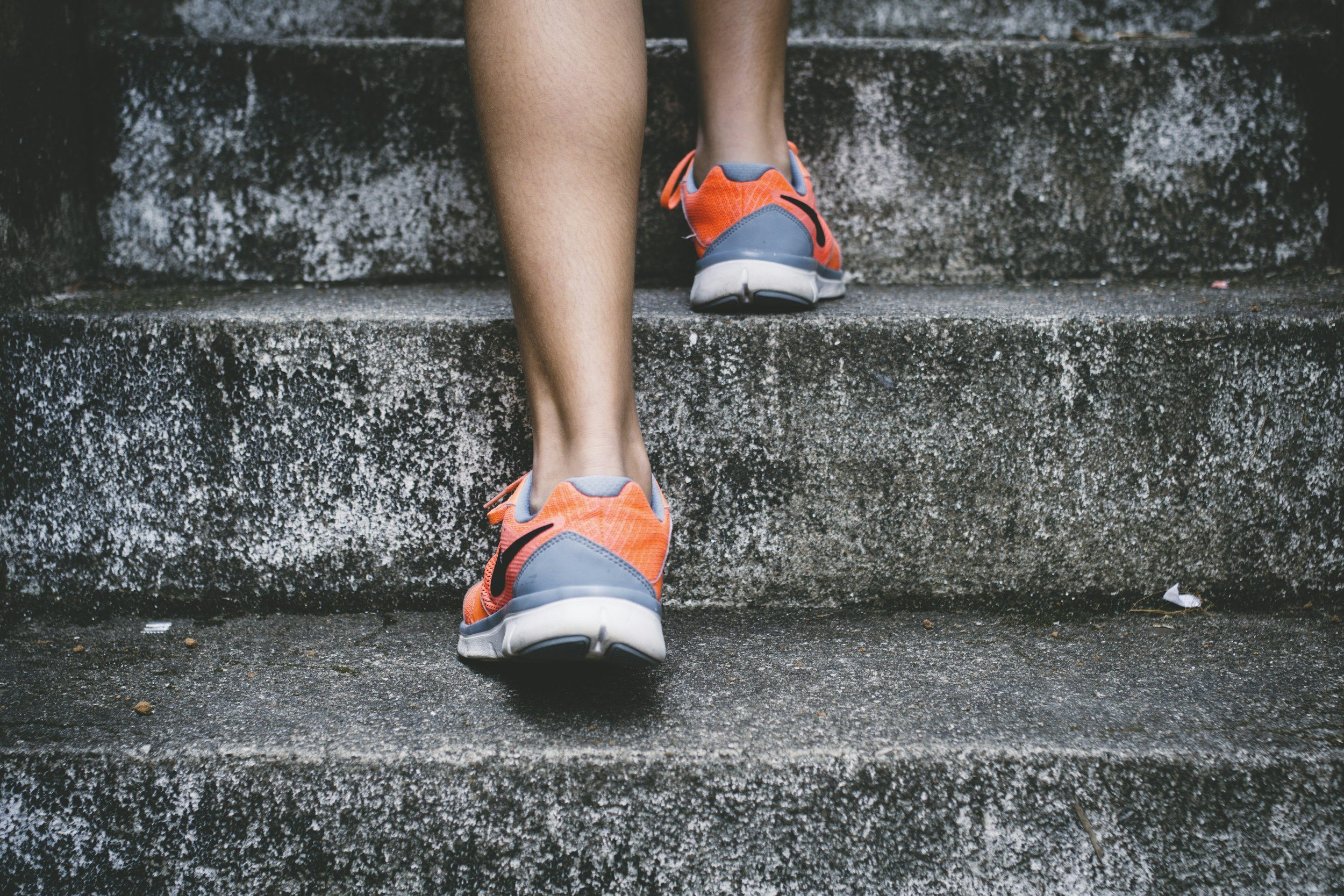
If the science above felt heavy, here’s your moment of action. Yes, the hormones are shifting. Yes, your body is doing big things. But you also have power — to influence how this transition goes through what you do. Let’s look at the research on lifestyle, and what that actually means in day-to-day terms.
Movement matters
Exercise during the menopausal transition is linked to better body composition, less central fat gain, better metabolic markers. ifm.org
For example, in one systematic review of exercise + nutrition interventions, one RCT found a meaningful effect in mitigating fat gain during menopause transition. PMC
Recent guidelines emphasize physical activity as a key strategy for peri- and post-menopausal women. ScienceDirect
Practical tip:
Can you shift from “I’ll exercise when I have time” to “What small movement can I commit to 3 × per week”? Even 20–30 minutes of strength + cardio helps. Bonus: consider balance and functional movement (because this is the decade we build resilience).
Food & nutrition influence
Nutrition in menopause isn’t just “eat less” — it’s about getting quality, building bone strength, managing inflammation, and supporting your changing metabolism. MDPI+1
Key nutrients: calcium, vitamin D, protein, B-vitamins, sufficient fibre. Eating patterns that support inflammation reduction matter. MDPI
Practical tip:
You don’t need a perfect diet. Start by adding one extra serving of high-quality protein (e.g., fish, beans, tofu) and one extra high-fibre vegetable or whole grain. Over time, these add up.
Sleep, stress, and the “other” stuff
Sleep disruptions, mood swings, night sweats — these aren’t just symptoms. They feed each other. Poor sleep increases stress; stress increases hormonal havoc; hormonal shifts interfere with sleep.
Lifestyle interventions (exercise, diet, mindfulness) improve quality of life for menopausal women. PMC
Practical tip:
Factors sleep and stress in your plan. Could you pick one “wind-down” routine for 20 minutes before bed? (Journal, a warm drink, stretching, low-light screen). Small consistency beats big efforts once in a while.
Conclusion:
Your hormones aren’t solely in charge. You still have agency. You might not stop the transition, but you can shape how you walk through it. Movement, nourishment, rest — these are your foundational tools for your next chapter.
Join our newsletter to get weekly “Pause Moment” lifestyle tips (no fluff, just doable).
